











What I’m trying to make
I want to make a game with a few simple rules that people could spend years getting good at.
What interests me is how a game can stay essentially the same while the way people play it keeps changing. Someone discovers a technique. Someone else finds an answer. Players teach each other, develop styles, build rivalries. Their understanding grows, and familiar situations become interesting in new ways.
Rocket League is the game that made me fall in love with that possibility. It’s soccer with rocket-powered cars: two goals, a ball, and vehicles that can jump and fly. You can understand the objective immediately. Learning what you can do with your car can take years.
I love that the game gives you so much room to develop. As your control improves, you begin to see opportunities that were always there but that you couldn’t recognize or act on. Watching a better player can change your understanding of something you thought you knew.
A decade in, its basic premise still holds. The players keep finding reasons to care. That’s deeply inspiring to me. I think more games should trust a simple core enough to let a passionate community spend years exploring it.
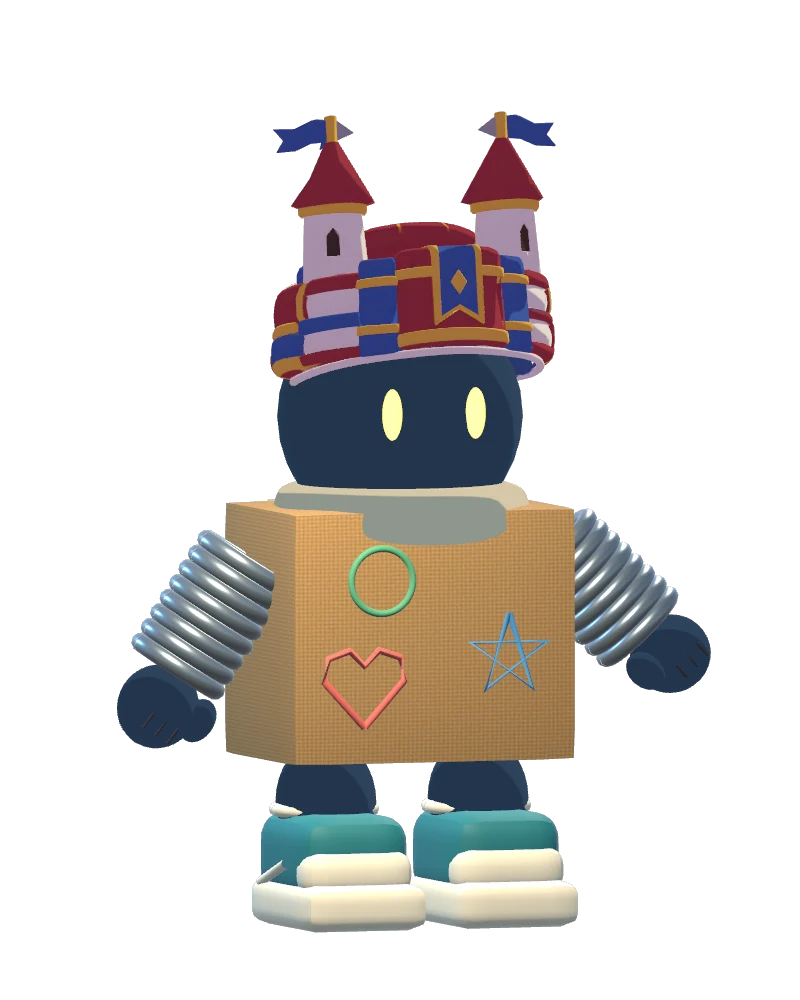
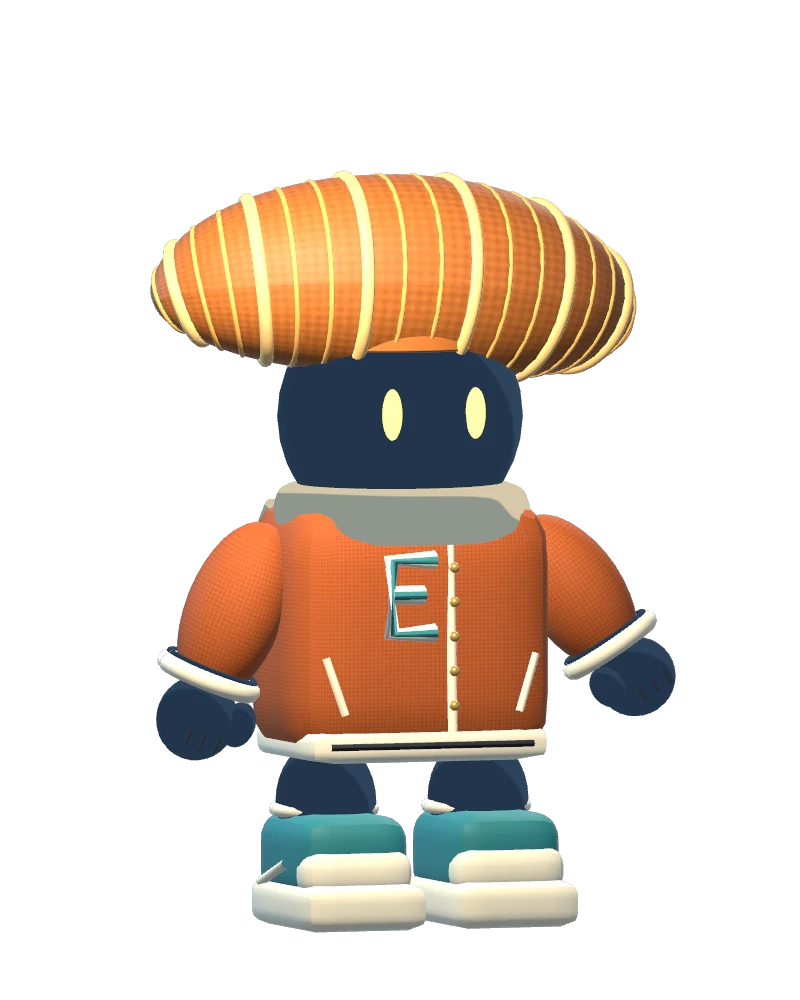
That’s the ambition behind Embercast. I’m trying to make a small set of physical interactions that feel good, respond clearly, and give you freedom to experiment. I want the game to get out of your way. If I can get that core right, I’d love for it to remain essentially permanent while the techniques and strategies around it evolve.
But that requires accepting something a little uncomfortable: in Rocket League terms,
I’m currently bronze at my own game.
When a move feels awkward, I have to ask whether the controls need work or whether I need practice. I can change the rules whenever I want. That makes it easy to simplify something before I understand what mastering it might make possible.
Sometimes the right thing to do is leave it alone and keep playing.
Berkeley